Christmas Gifts for Kids Who Have Everything: Keepsake Ideas
You know the child I'm talking about. The one whose playroom looks like a toy store exploded. The niece who gets three birthday parties. The grandson whose closet can barely close because of the stuffed animals. When Christmas rolls around and you're searching for the perfect gift, scrolling endlessly through the same plastic options feels defeating.
Here's what I've learned after years of gift-giving and watching what actually matters: the gifts children remember aren't the ones that made the most noise on Christmas morning. They're the ones that told them a story about who they are.
Why Traditional Toys Fall Short for Kids Who Have Everything
Walk into any playroom after the holidays and you'll see the pattern. Last year's "must-have" toy buried under this year's version. The expensive gadget with dead batteries shoved in a corner. The board game missing half its pieces.
Kids who have everything don't need more stuff. They need fewer, better things that carry meaning beyond the moment. The research backs this up—child development experts consistently find that children form stronger attachments to items connected to their identity and family story than to generic commercial toys.
The overflow problem is real. Parents of well-gifted children often face:
- Storage overwhelm and constant decluttering battles
- Shortened attention spans as novelty wears off faster
- Difficulty teaching gratitude when abundance becomes background noise
- Guilt over unused gifts gathering dust
This is exactly why keepsake gifts have become the secret weapon of thoughtful gift-givers. They slip past the saturation point because they operate in an entirely different category.
What Makes a Gift a True Keepsake
Not every "special" gift qualifies as a keepsake. A true keepsake gift has specific qualities that separate it from clever marketing dressed up as meaning.
First, it's personal in a way that can't be mass-produced. It reflects something specific about this particular child—their name, their interests, their place in the family, their emerging personality. Generic personalization (a name stamped on a backpack) doesn't cut it. Real personalization weaves the child into the story itself.
Second, it grows in value rather than depreciating. While toys lose their appeal as kids age out of them, keepsakes become more meaningful. The book you gave a four-year-old becomes the book she reads to her own children. The jewelry box from her tenth Christmas holds her wedding earrings twenty years later.
Third, it creates or preserves connection. The best keepsake gifts strengthen bonds between the giver and receiver, or connect the child to their heritage, values, or sense of belonging. They answer the question every child unconsciously asks: "Who am I and where do I belong?"
Personalized Storybooks: The Keepsake That Gets Read Again and Again
There's something almost magical about a child seeing themselves as the hero of their own story. Not as a generic placeholder, but truly woven into an adventure that reflects who they are.
When we created personalized storybooks at Favola, we saw this reaction over and over: kids would demand the same book night after night, long after other gifts were forgotten. Parents reported children sleeping with their books, bringing them to show-and-tell, carefully protecting them from younger siblings.
What makes a personalized storybook work as a keepsake:
- The child sees themselves reflected in ways that build identity and confidence
- High-quality illustrations create an heirloom feel that survives years of reading
- Bilingual options connect children to family heritage and language learning
- The story itself can be chosen to match the child's current interests or needed messages
Unlike a toy that teaches one skill or provides one type of play, a personalized book delivers differently at different ages. A three-year-old loves seeing their name and face. A six-year-old connects to the character's bravery. A ten-year-old appreciates it as a memory of childhood. A twenty-year-old keeps it as proof of being loved.
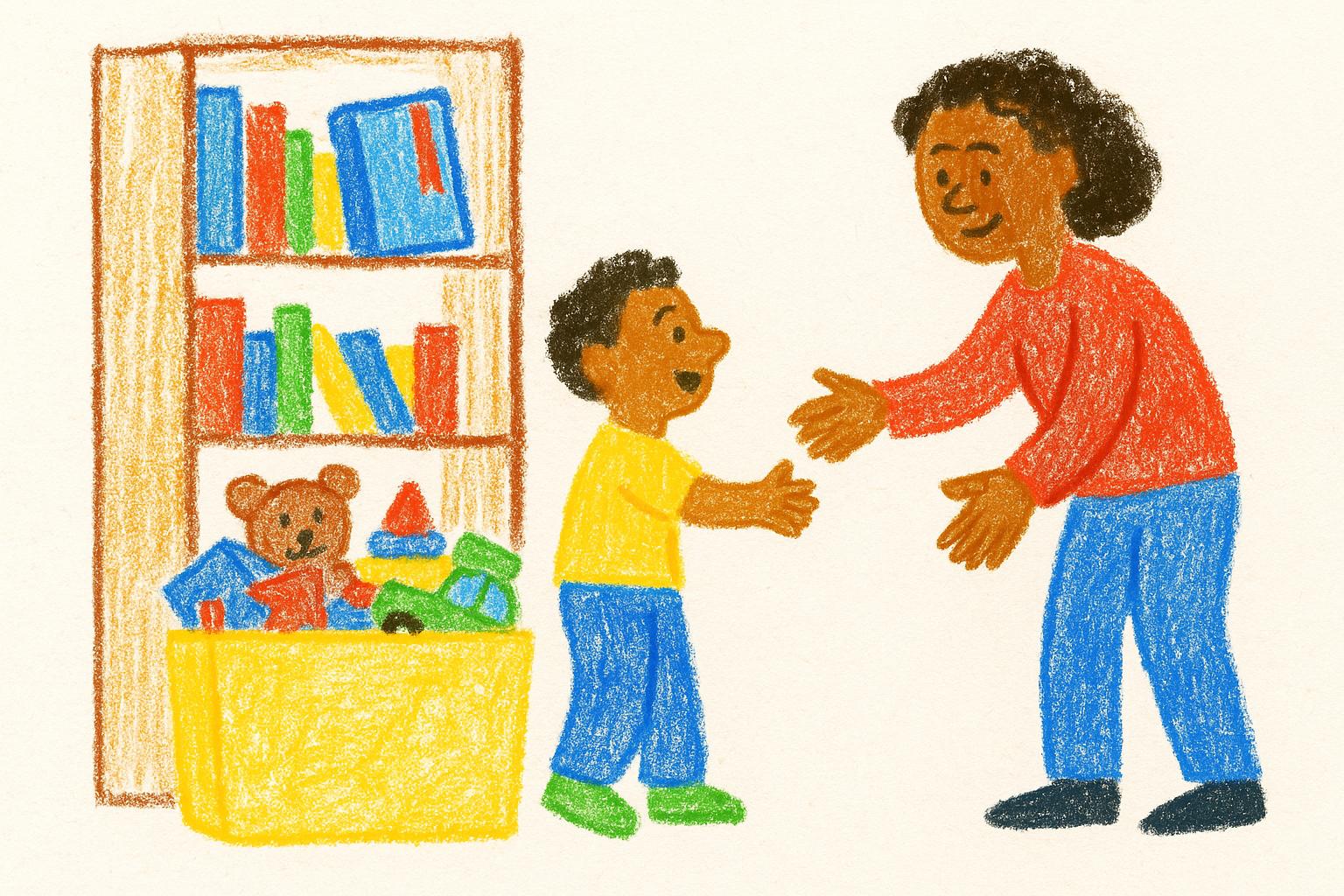
The key is choosing books that don't just insert a name into a template, but actually customize the story, illustrations, and even language to create something that couldn't exist for any other child. Quality matters here—cheap personalization feels disposable, while beautifully crafted books feel like treasure.
Other Keepsake Gift Ideas That Outlast the Toy Pile
While personalized books top my list, several other gift categories reliably create lasting value for children who already have plenty.
Custom jewelry that marks milestones: A simple locket, charm bracelet, or birthstone piece becomes more meaningful as years pass. Choose items that can be added to over time—a charm bracelet that gets a new charm each birthday, for instance, tells the story of growing up.
Experience gifts with documentation: Yes, experiences fade, but experiences paired with memory-keeping don't. A special day together coupled with a photo book, journal, or scrapbook you create together transforms a moment into a keepsake. Consider annual traditions rather than one-off experiences.
Subscription boxes designed for skill-building: Monthly deliveries of art supplies, books, science experiments, or cooking projects give the gift of anticipation and accumulated expertise. The child builds a collection of work and skills over time rather than a pile of unrelated toys.
Handmade or commissioned art: A portrait, sculpture, or custom illustration of the child, their pet, or their family becomes more valuable as time passes. Children who grow up with personalized art in their rooms internalize that they matter enough for this investment.
Time capsule or memory box sets: Structured systems for collecting memories—special boxes for ticket stubs, photos, little treasures—teach children to curate their own childhood narrative. Add to it each year together.
High-quality items for emerging interests: When a child shows genuine passion for something (art, music, nature, cooking), one excellent tool beats a dozen cheap ones. A real chef's knife for the kid who loves cooking. Professional colored pencils for the artist. A quality telescope for the space enthusiast.
How to Present a Keepsake Gift So It Lands Well
Here's an uncomfortable truth: keepsake gifts don't always create the explosive Christmas morning reaction that the latest trending toy does. A thoughtful book gets a different response than a huge box with flashing lights.
This doesn't mean the gift failed. It means you need to frame it properly.
First, set expectations with parents beforehand. Let them know this is a "forever gift" so they can help the child understand its significance. Parents can preview it with the child and explain why it's special.
Second, pair it if needed. For younger children, include one small "instant gratification" item alongside the keepsake. This satisfies the unwrapping excitement while anchoring the meaningful gift.
Third, personalize your presentation. Write a note explaining why you chose this specific gift for this specific child. Children who can't read yet still have these notes saved by parents and treasured later. "I gave you this book because you're brave just like the character" carries weight.
Fourth, create a ritual around it. If it's a book, offer to read it together that day. If it's jewelry, help them put it on and take a photo. If it's art supplies, sit down for the first project together. Your time and attention during the unveiling signals importance.
FAQ: Christmas Gifts for Kids Who Have Everything
What's the best Christmas gift for a child who literally has every toy?
Personalized storybooks consistently rank highest for children with toy overflow because they occupy a different mental category than toys—they're about identity, not entertainment. Choose one where the child becomes the story's hero, with high-quality illustrations they won't outgrow. Other excellent options include experience gifts paired with memory-keeping, custom jewelry that marks this moment in time, or one high-quality item for a genuine interest area.
How much should I spend on a keepsake gift versus a regular toy?
Keepsake gifts often cost less than premium toys but deliver more lasting value. A beautifully personalized book runs $30-50, far less than many trending toys, yet gets read hundreds of times over years. The question isn't price—it's cost per meaningful interaction. A $100 toy used three times costs more per experience than a $40 book read 200 times. Focus your budget on quality and personalization rather than size or flash.
Will young kids appreciate keepsake gifts or just want more toys?
Children as young as two respond powerfully to personalized items, especially books and objects featuring their name and likeness, though they can't articulate why. The appreciation deepens with age—what delights a preschooler as "my book!" becomes a treasured childhood memory for a teenager. Parents report that keepsake gifts often become comfort objects kids turn to during transitions, illnesses, or bedtime, while toy bins go ignored.
What if I'm not sure about the child's current interests for personalization?
Choose keepsakes based on timeless themes rather than fleeting interests. A book about bravery, kindness, family, or adventure works regardless of whether the child currently loves dinosaurs or unicorns. For other gifts, consult parents about emerging genuine interests versus passing fads. When in doubt, opt for items that grow with the child—jewelry they can wear for years, art supplies for any project, or books available in the language their family speaks at home.
The Gift That Says "You Matter"
When you're shopping for kids who have everything, you're not really shopping for stuff. You're searching for a way to say: "I see you. I know you. You matter to me."
Keepsake gifts accomplish this in ways toy aisles never can. They become witnesses to childhood, physical proof that someone cared enough to choose something meant specifically for this one irreplaceable person.
Years from now, when the child you're shopping for today is packing for college or moving into their first home, they won't take the plastic toys. But they might take the book where they were the hero. They might wear the necklace you gave them when they were eight. They might pull out the photo album from that special day you spent together.
That's not just a better gift. That's the whole point of gift-giving in the first place.
Ready to create a personalized storybook that becomes a forever keepsake? Start building your child's custom adventure and give them the gift of seeing themselves as the hero of their own story.