How to Teach Italian to a 5-Year-Old Who Refuses: 7 Gentle Strategies
You've been speaking Italian since they were born. You've sung the lullabies, read the stories, even labeled objects around the house. Then kindergarten started, and suddenly your child clams up the moment you switch languages. "I don't want to!" or worse—silent refusal. You're not alone, and this isn't failure. It's a common, developmentally normal phase that requires strategy, not force.
The truth is, a 5-year-old who refuses Italian isn't rejecting the language—they're responding to social pressure, cognitive load, or simply asserting independence. The good news? You can turn this around with playful, low-pressure approaches that make Italian feel like discovery rather than duty.
Why Your 5-Year-Old Suddenly Refuses Italian
Understanding resistance is the first step to dissolving it. At five, children become acutely aware of peer dynamics and "fitting in." If everyone at school speaks English, Italian can suddenly feel embarrassing or "other." They're not ashamed of you—they're navigating social acceptance in the only way they know how.
Cognitive load matters too. Kindergarten brings new routines, academic expectations, and social navigation—all in English. By the time they're home, their brain is tired. Switching to Italian feels like more work, not connection. Add in a natural drive for autonomy ("I decide what I do!"), and you've got the perfect storm of refusal.
Finally, check your approach. If Italian time feels like a lesson—worksheets, corrections, structured practice—it's work, not play. Five-year-olds learn through joy and curiosity, not obligation. The moment it feels forced, resistance builds.
Remove the Pressure: Make Italian Invisible
The fastest way to rebuild interest is to stop making Italian a "thing." No more announcing "Italian time!" or asking them to repeat words. Instead, weave Italian into activities they already love without commentary. If they're playing with toy cars, you narrate in Italian: "La macchina rossa va veloce!" If they ignore you, fine. Keep going. You're planting seeds, not demanding responses.
This strategy works because it removes performance pressure. Your child hears the language in context, attached to fun, without being put on the spot. Over days and weeks, they'll start absorbing again—and eventually, responding when they feel safe.
Pair this with reducing corrections. If they mix English and Italian or mispronounce, let it go. Respond naturally in Italian without pointing out errors. "You want il cookie? Ecco un biscotto per te!" You're modeling, not teaching. The goal right now is reconnection, not accuracy.
Use Their Obsessions as Your Secret Weapon
Five-year-olds have intense, specific interests—dinosaurs, princesses, trucks, space, animals. Whatever your child is obsessed with, that's your Italian gateway. Find Italian YouTube videos about their passion ("dinosauri documentario bambini"), check out Italian library books on the topic, or play pretend using Italian vocabulary naturally embedded in the game.
If they love dinosaurs, you become the paleontologist who only speaks Italian during digs in the backyard. If they're into superheroes, Italian becomes the "secret language" only heroes understand. The language stops being the goal and becomes the tool for accessing what they actually care about.
This approach works because it flips the script: Italian isn't something they have to learn—it's something that unlocks cooler experiences. A personalized storybook where they're the hero on a bilingual adventure can be particularly powerful here, especially if the story revolves around their current obsession.
Turn Everyday Moments into Playful Italian Interactions
Forget formal lessons. Italian should live in snack time, bath time, getting dressed, and walks to the park. These moments are low-stakes, repetitive, and already part of their routine—perfect for language absorption without resistance.
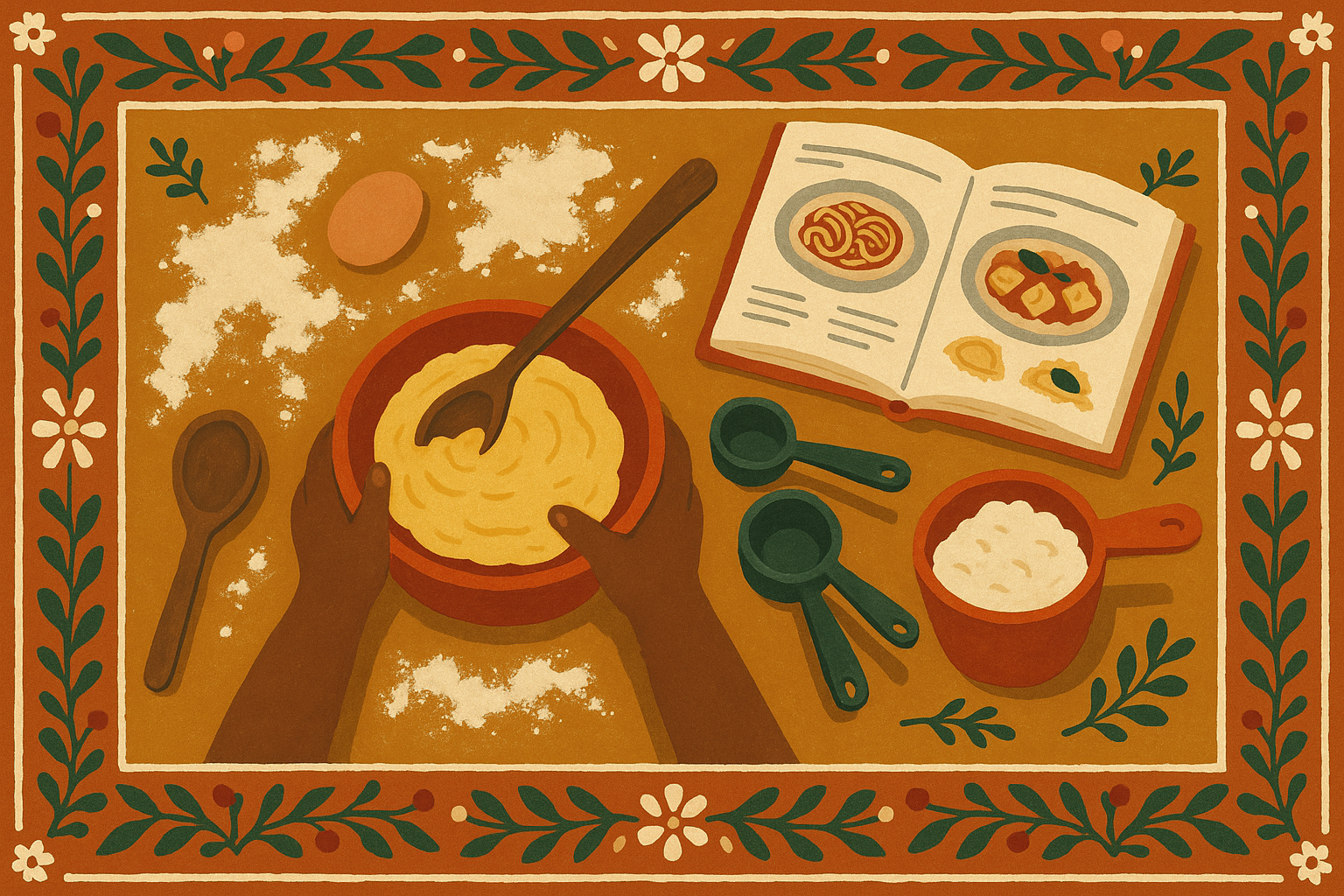
During cooking, let them help make something simple while you narrate: "Mettiamo la farina… adesso l'uovo… mescola, mescola!" The focus is on the task, not the language. Bath time becomes a chance for silly songs or counting rubber ducks in Italian. Getting dressed? "Dove sono le tue scarpe? Ah, eccole!"
The key is brevity and fun. Don't sustain these interactions longer than their interest lasts. Thirty seconds of genuine engagement beats ten minutes of forced conversation. You're building positive associations, moment by micro-moment.
Invite Italian In Through Stories and Songs
Books and music bypass the resistance because they're entertainment, not instruction. Choose Italian picture books with engaging illustrations where the story carries even if they don't catch every word. Read with expression, pointing at pictures, making it theatrical. If they stop you to ask what something means, answer briefly in English, then keep going. Don't quiz them afterwards.
Songs are even more powerful because melody aids memory and removes self-consciousness. Play Italian kids' songs during car rides, dance to them in the kitchen, or find YouTube channels with animated Italian nursery rhymes. "Baby Shark" exists in Italian—use their existing favorites in the new language.
Consider how bilingual storybooks work at Favola: the child sees themselves as the hero in both languages simultaneously, making the switch feel natural rather than jarring. When the story is about them, resistance often melts because ego investment overrides language discomfort.
Create an Italian Identity They Want to Claim
Five-year-olds are building their sense of self. If you can make Italian feel like a superpower, a special club, or a cool identity marker, they'll start claiming it rather than rejecting it. Talk about Italian as "our special language" that not everyone knows. Mention that nonni speak it, that it's the language of pizza and gelato, that it opens up a whole country they might visit.
Share age-appropriate stories about Italy—not as a lesson, but as "did you know?" moments. Show them Italian kids' shows or YouTube channels where children their age speak Italian naturally. Seeing peers use the language normalizes it and removes the "only my parent does this weird thing" feeling.
If possible, connect them with other Italian-speaking kids through playgroups, online meetups, or family friends. When they realize other children speak Italian too, it stops feeling isolating and starts feeling like belonging.
Celebrate Tiny Wins and Model Patience
Progress with a resistant five-year-old is slow and non-linear. One day they might repeat a word; the next week, nothing. That's normal. Your job is to notice and celebrate the microscopic wins without making a big deal that creates pressure. A quiet "Brava!" and a smile when they use an Italian word is enough. Overdoing praise can make them self-conscious again.
Model your own Italian use naturally. Speak it with other adults when possible, talk to yourself in Italian while cooking, sing Italian songs in the shower. Show them that Italian is a living, useful, enjoyable part of life—not a chore you're imposing on them. Children imitate what they see valued, not what they're told to value.
Remember, language acquisition isn't linear. Silent periods are normal and necessary. Your child is still absorbing even when not producing. The consistent, joyful exposure you're providing now will compound over months and years. Some children who resist at five become fluent, confident speakers by eight—because their parents didn't give up or force.
FAQ
What if my child understands Italian but refuses to speak it?
This is called passive bilingualism and it's extremely common. It means the foundation is there—comprehension always precedes production. Keep speaking Italian yourself without demanding responses. As they mature and feel safer, production often follows naturally, especially if you eliminate pressure and maintain joyful exposure. Consider the OPOL (One Parent One Language) approach where you commit to only Italian while your partner uses English, making the switch feel more organic than optional.
Should I force my 5-year-old to respond in Italian?
No. Forcing creates negative associations that deepen resistance and can damage your relationship with the language long-term. Instead, accept English responses while you continue in Italian. "You want water? Ecco l'acqua." You're modeling the target language while respecting their communication needs. As pressure decreases and positive experiences increase, voluntary Italian use typically emerges.
How long does it take to overcome language resistance in kindergarteners?
Every child is different, but with consistent, playful, low-pressure exposure, many parents see renewed interest within 2-4 months. Some children need longer—six months to a year—especially if resistance is tied to strong peer pressure or a particularly stubborn phase. The key is consistency without force. The more you push, the longer resistance lasts. The more you make it optional and fun, the faster curiosity returns.
Are bilingual storybooks effective for resistant learners?
Yes, especially personalized ones. When a child sees themselves as the hero in a story presented in both languages, it reduces the "otherness" of the second language. The parallel text shows them that both languages tell the same cool story about them, making Italian feel less foreign and more like another way to access something they already love. Tools like Favola's personalized books are designed exactly for this purpose—making bilingualism feel natural through narrative immersion rather than instruction.
Moving Forward: Patience as Strategy
Teaching Italian to a resistant 5-year-old isn't about finding the one magic trick. It's about removing pressure, building positive associations, and trusting the long game. Your child's refusal today doesn't predict their relationship with Italian at ten or fifteen. What matters is whether Italian remains connected to joy, identity, and connection—or becomes linked to conflict and obligation.
Keep showing up with playfulness and patience. Weave Italian into their world through their interests, everyday moments, and stories. Celebrate the silent progress happening beneath the surface. You're not failing—you're parenting a bilingual child through a challenging but temporary developmental phase. The seeds you're planting now will grow, even if you can't see the roots yet.
Ready to try a story where your child is the hero in both English and Italian? Create a personalized book and watch how seeing themselves in both languages can gently shift their perspective.