How to Teach Italian to a Kindergartener Who Only Responds in English
You ask your five-year-old a question in Italian. They clearly understand—their eyes light up, they nod, they even start to answer. Then English tumbles out instead. Every single time.
This frustration is one of the most common challenges Italian heritage families face once kindergarten starts. Your child has developed what linguists call passive bilingualism: perfect comprehension with minimal production. The good news? This isn't language loss. It's a temporary imbalance that responds remarkably well to specific strategies designed for the kindergarten years.
Why Kindergarteners Stop Speaking Their Heritage Language
Understanding the reason behind the English-only responses helps you address the pattern without frustration. At five and six, children are acutely aware of social context. Kindergarten introduces a powerful new reality: English is the language of friends, teachers, and the wider world beyond home.
Your child isn't rejecting Italian. They're making an efficiency calculation. English has become their dominant language for expressing complex kindergarten experiences—playground politics, classroom routines, new friendships. Switching to Italian requires cognitive effort, and when they're tired or excited, the brain defaults to the path of least resistance.
There's also a confidence component. Many kindergarteners worry about making mistakes in their heritage language. They've noticed they're more fluent in English, and at this age, children often prefer to stay in their comfort zone linguistically. The fear of using the wrong word or sounding "different" from their English-speaking peers can create resistance.
Create Situations Where Italian Is the Easier Choice
The most effective strategy isn't forcing Italian—it's making Italian the natural, easier option in specific contexts. This requires deliberately designing situations where responding in Italian requires less effort than translating to English.
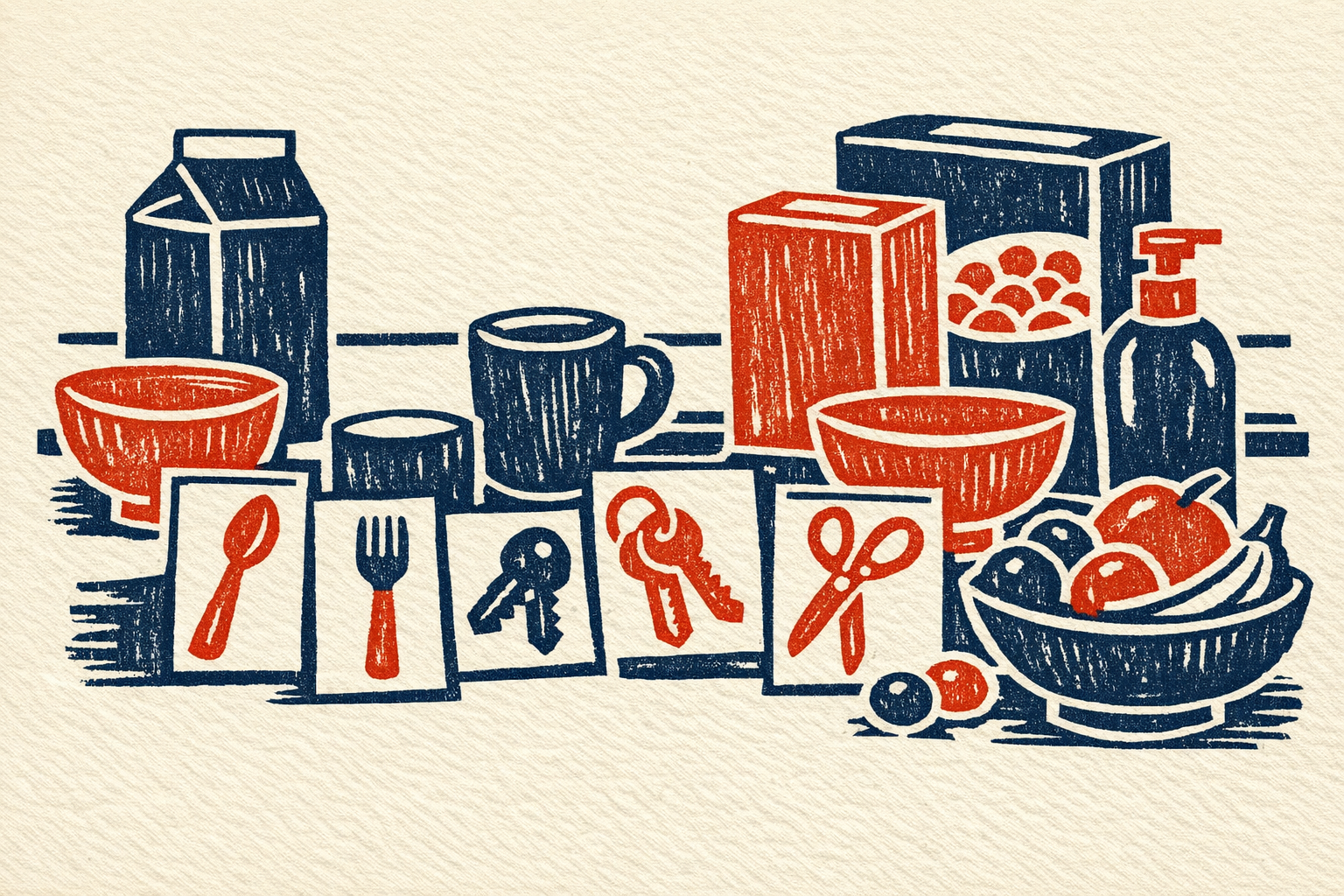
Start with predictable routines where the vocabulary is consistent. Morning routines work particularly well: getting dressed, breakfast preparation, packing the backpack. Use the same Italian phrases daily until they become automatic responses. "Che cosa vuoi per colazione?" answered with "Cereali" is a small win that builds momentum.
Introduce Italian-only zones or times. Perhaps Italian is the language of cooking together, or the car ride home from school, or Sunday morning pancakes. The key is consistency and choosing moments when your child is relaxed, not tired or overwhelmed. Keep these windows short initially—fifteen focused minutes beats an hour of mixed-language frustration.
Leverage activities where Italian provides access to something desirable. If your child loves a particular Italian cartoon, game, or story, that content becomes the reward for engaging in Italian. This isn't bribery; it's creating authentic motivation to use the language as a tool.
The Power of Playful Monolingualism
One of the most effective techniques is what bilingual speech therapists call "playful monolingualism"—you gently pretend not to understand English in specific contexts. This isn't punishment; it's done with warmth and humour.
When your kindergartener asks in English for something you always discuss in Italian, pause with exaggerated confusion: "Hmm, non capisco questa parola... come si dice in italiano?" Keep your tone light and patient. Often, children will giggle and switch languages when they realize it's a game, not a confrontation.
Provide immediate scaffolding. If they're stuck, don't let frustration build—offer the Italian word or phrase, have them repeat it, then respond enthusiastically to their request. The goal is making Italian feel like a successful communication tool, not a barrier.
Some parents worry this approach feels manipulative. The difference is in your delivery. You're not withholding love or creating anxiety—you're establishing a consistent, predictable language boundary with plenty of support. Children this age actually appreciate clear frameworks; it reduces their cognitive load.
Expand Beyond Parent-Child Conversations
Your kindergartener may unconsciously categorize you as "the person I can use English with because they understand both." Breaking this pattern often requires introducing other Italian speakers into their world.
Regular video calls with Italian-speaking relatives become language practice, especially grandparents who may genuinely struggle with English. When your child realizes Nonna truly needs them to speak Italian, the motivation shifts from abstract "heritage preservation" to concrete connection with someone they love.
Seek out Italian playgroups, weekend cultural programs, or even one other Italian-speaking family with children the same age. Peer interaction in Italian creates entirely different motivation than parent-child conversation. Kindergarteners are intensely social; they'll use Italian to play with another child when they won't use it to answer your questions about their day.
Consider personalized Italian content that makes your child the protagonist. A create a personalized book where they're the hero of an Italian-language adventure taps into the kindergarten-age love of seeing themselves in stories. When children encounter their own name, their friends' names, familiar places in Italian text, the language stops being abstract heritage preservation and becomes personally relevant.
Strategic Use of Bilingual Materials
Fully Italian materials can sometimes feel overwhelming to a kindergartener anchored in English dominance. Strategic use of bilingual content provides scaffolding while keeping Italian present.
Dual-language books allow your child to access the story in English while seeing Italian alongside it. Over time, they'll start recognizing Italian words and phrases, building confidence. The key is reading the Italian version aloud yourself, naturally and expressively, rather than asking them to perform.
Bilingual storytelling where you tell familiar fairy tales or family stories in Italian, occasionally dropping in English for new vocabulary, keeps comprehension high while maintaining Italian as the primary language of the interaction. Gradually reduce the English scaffolding as their comfort grows.
Educational apps and games that teach Italian through play can work well for kindergarteners because the stakes feel lower than conversation. They're not "speaking Italian with Papa"—they're just playing a game that happens to be in Italian. This indirect approach often reduces resistance.
At Favola, we've seen how personalized bilingual storybooks create a unique bridge for kindergarteners in this exact situation. When children see themselves as the main character in a story presented in both English and Italian, they engage with Italian text without the pressure of live conversation. You can learn more about how it works and how personalization strengthens language connection.
When Progress Feels Invisible
The shift from passive to active bilingualism isn't linear. You'll have breakthrough days followed by weeks of English-only responses. This is completely normal and doesn't mean your strategies aren't working.
Kindergarten is cognitively demanding. Your child is learning to read in English, navigate complex social dynamics, follow classroom rules, and regulate their emotions in group settings. Their brain is genuinely tired. On difficult days, they'll default to English even more than usual. This is temporary, not regression.
Track small wins rather than waiting for fluent conversation. Notice when they use an Italian word in an otherwise English sentence. Celebrate when they understand a complex instruction in Italian without asking for translation. Count the moments they laugh at an Italian joke—comprehension is the foundation active speaking builds on.
Some children have a long "silent period" in their heritage language, absorbing and processing before production suddenly increases. This is especially common in temperamentally cautious children. They're not being stubborn; they're building internal confidence before external performance.
FAQ
How long does it take for a kindergartener to start actively speaking Italian if they only respond in English now?
There's no universal timeline, but with consistent daily exposure and the strategies above, most families see increased Italian production within two to four months. The shift is usually gradual—first single words replacing English ones, then short phrases, eventually longer utterances. The key is maintaining consistency without pressure, which allows natural progression rather than forced performance.
Should I correct my child's Italian grammar mistakes or just let them speak?
At the kindergarten age, prioritize communication over correction. When your child produces Italian—even imperfect Italian—respond to the content enthusiastically, then model the correct form naturally in your reply. For example, if they say "Ho andato," you respond "Sì, sei andato al parco! Com'era?" This technique, called recasting, teaches grammar through exposure rather than explicit correction, which can shut down their willingness to try.
What if my own Italian isn't perfect? Will I teach my child mistakes?
Your child benefits more from regular exposure to imperfect Italian than from minimal exposure to perfect Italian. Native-like fluency isn't required to raise a bilingual child—consistency, warmth, and meaningful interaction matter far more. If you're concerned about specific gaps, incorporate Italian media, books, and video calls with fluent speakers to provide additional models alongside your own input.
My kindergartener gets upset when I insist on Italian. Should I back off completely?
Significant distress is different from mild resistance. If Italian conversations cause genuine anxiety—tears, shutdown, refusal to engage—pull back temporarily and consult with a bilingual speech therapist to rule out underlying processing issues. However, mild pushback ("I don't want to!") is normal and usually responds to making Italian more playful and less formal. The tone matters enormously; keep interactions warm and find Italian contexts your child genuinely enjoys rather than drilling vocabulary.
Building Momentum Through Consistency
The kindergarten year is actually an ideal time to address passive bilingualism, despite the increased English exposure. Your child's brain is primed for language learning, their identity is still forming, and the habits you establish now will shape their bilingual journey for years.
The families who successfully move kindergarteners from understanding to speaking Italian share one common factor: they create predictable, positive, pressure-free opportunities for Italian use every single day. Not perfection—consistency. Not hours—intentional minutes.
Your child's silence in Italian isn't rejection. It's a phase that responds to strategic, loving persistence. Keep the interactions joyful, the expectations realistic, and the Italian present in their daily world.
Ready to make Italian more engaging for your kindergartener? Create a personalized Italian storybook where your child becomes the hero of their own bilingual adventure—a powerful tool for building language pride and active engagement.